Guides · Blog
Can You Run on a Walking Pad? (What’s Possible, What’s Safe, and What to Expect)
The question Can you run on a Walking Pad comes up a lot—and for good reason. Walking pads are compact, convenient, and often much cheaper than full-size treadmills. If they can handle running too, it sounds like the perfect all-in-one home cardio solution. The reality is a bit more nuanced: some walking pads can handle light running or jogging, but many are designed primarily for walking, and running on the wrong unit (or in the wrong way) can feel uncomfortable and shorten the lifespan of the machine.
Below is a practical guide to help you understand when running on a walking pad makes sense, what limitations to expect, and how to do it more safely if you decide to try.
So, can you run on a walking pad?
Yes—sometimes. Whether you should depends on the specific walking pad and your running style. In general, walking pads are built for:
- steady walking
- brisk walking
- short, low-impact cardio sessions
Running introduces more force, more vibration, more heat and friction on the belt/deck, and more demand on the motor. That’s why many walking pads can technically reach “jogging speeds,” but don’t necessarily feel stable or comfortable once you get there.
A good way to think about it: walking pads can often tolerate occasional jogging, but they aren’t always designed for regular running workouts.
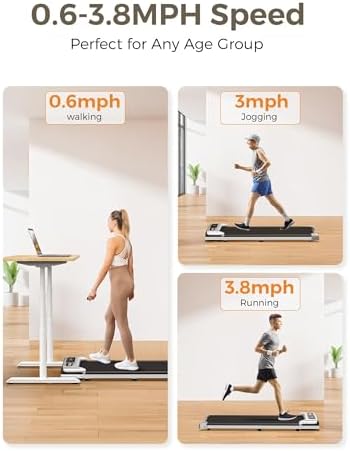
What determines whether a walking pad can handle running?
1) Top speed (and whether it’s realistic)
A lot of people look only at top speed. While it matters, it isn’t the only factor. Some walking pads top out at walking pace, while others advertise faster speeds that sound “run-capable.” Even when the speed is high enough, running may still feel awkward due to deck size and stability.
Practical tip: If your natural easy run pace is close to the machine’s top speed, you’re likely forcing the unit to operate near its limit—which can be noisy, uncomfortable, and harder on the motor.
2) Deck length and width (this is the big one)
Running requires more belt space than walking because your stride length increases and you move slightly more on the belt. Many walking pads have a shorter deck to stay compact. That’s fine for walking, but for running it can feel like you’re constantly trying not to step off the back.
- Short deck: You may shorten your stride unnaturally.
- Narrow belt: Less room for side-to-side drift, especially when fatigue sets in.
If you feel like you have to “tip-toe run,” that’s a sign the machine isn’t a good running match for you.
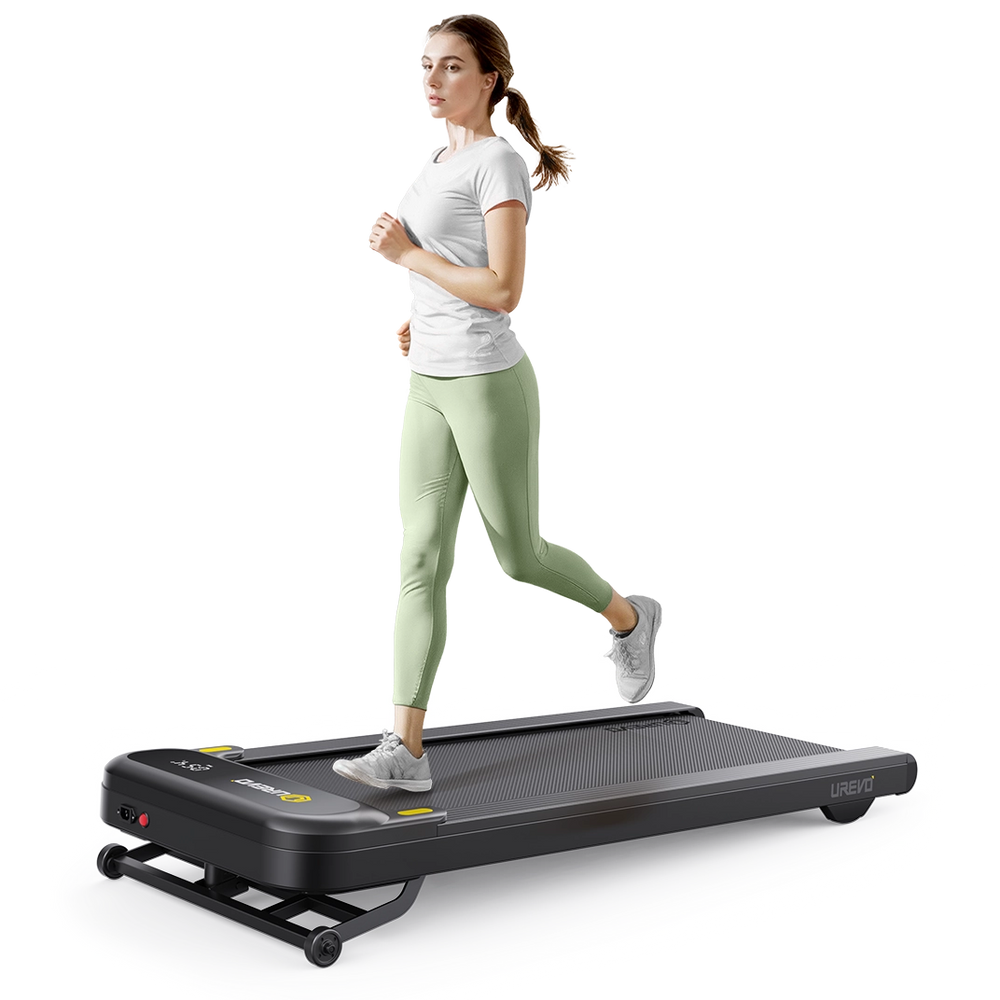
3) Motor capability under load
Running loads the motor more heavily because you hit the belt harder and typically use higher speeds. Some walking pads can do it for short bursts, but sustained running can overwork a smaller motor.
What you might notice if the motor is struggling:
- speed fluctuations
- belt hesitation
- increased heat and smell
- louder operation
4) Frame stability and shock feel
Walking pads are usually lighter than treadmills, making them easier to move and store. The downside is that at running speeds, a lightweight frame can feel less stable. You may feel more vibration through the deck or a “rattly” sensation depending on flooring.
5) Rated user weight (and footstrike)
Weight ratings matter more for running than walking. Running increases impact forces beyond your static body weight. Even if you’re under the rating, heavy footstrike (stomping) can make running feel harsher and can increase wear.
When running on a walking pad does make sense
Running on a walking pad can be a reasonable idea if:
- the walking pad is advertised as jog-capable and has a higher top speed
- you’re doing light jogging, not sprinting
- you run in short sessions (for example, 5–20 minutes)
- you’re comfortable keeping your stride controlled and centered
- the machine feels stable on your flooring with minimal vibration
This is especially true for people who simply want an easy way to do a quick jog at home and don’t need the feel of a full-sized treadmill.
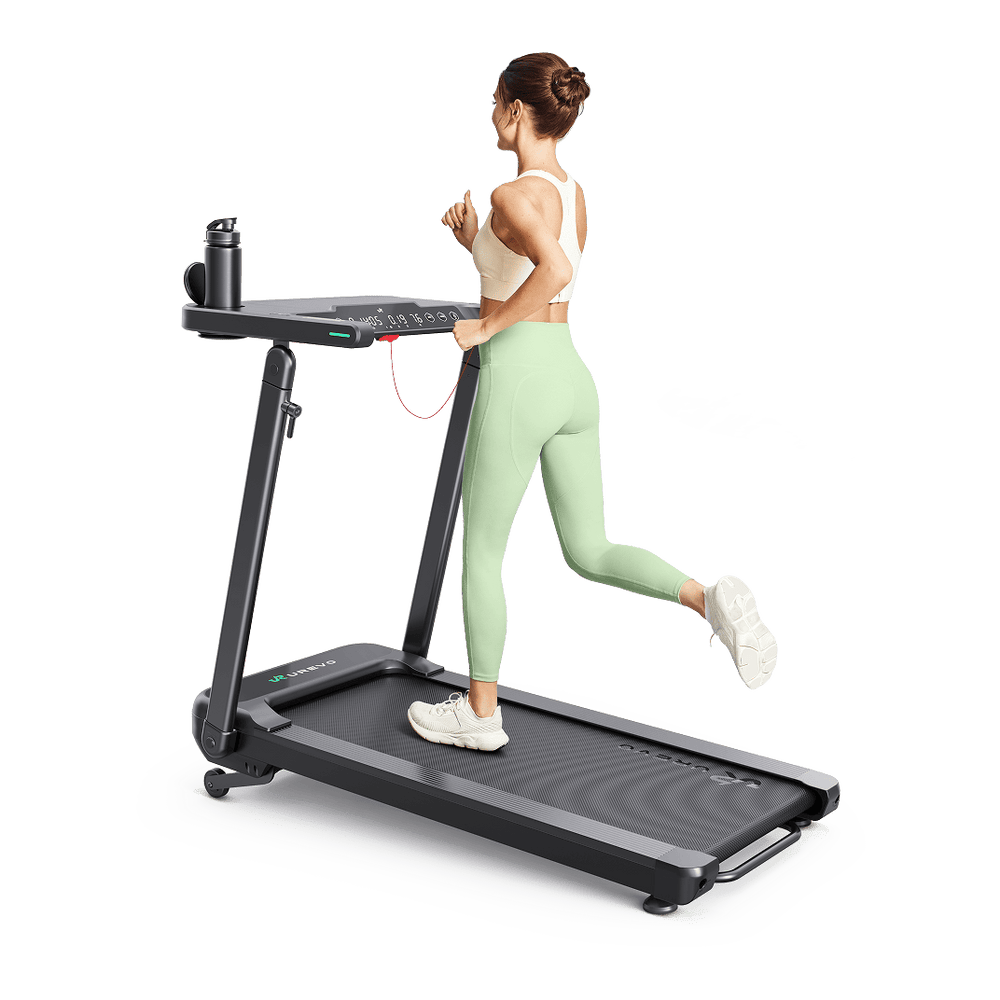
When you probably should NOT run on a walking pad
Avoid running (or limit it heavily) if:
- the belt feels too short and you’re constantly near the back
- the unit wobbles or shifts at higher speeds
- the motor sounds strained or speed seems inconsistent
- you plan to do frequent long runs (30–60 minutes) multiple times per week
- you want high incline running, sprint intervals, or fast tempo workouts
In these cases, a traditional treadmill—larger deck, heavier frame, more powerful motor—is usually the better long-term choice.
How to run on a walking pad more safely (and more comfortably)
If you decide to try running, these steps can reduce risk and improve the experience:
- Start with fast walking → light jog
Warm up with brisk walking first, then gradually increase speed so you can assess stability. - Keep it short
Think “occasional jog” rather than daily long runs. Shorter sessions reduce heat and wear. - Focus on quiet, light steps
A smoother footstrike reduces vibration, noise, and stress on the deck. - Stay centered
Running too close to the rear is where missteps happen. If you can’t comfortably stay centered, the deck is likely too small. - Wear appropriate shoes
Cushioned running shoes can reduce impact and noise compared with bare feet or minimal footwear. - Use a treadmill mat
This helps with grip, vibration, and floor protection—especially on hard floors. - Maintain the belt
Lubrication and belt alignment matter even for walking—but they matter much more if you run, because friction rises with speed and impact.
Final answer: Can you run on a walking pad?
Can you run on a walking pad? Yes, on certain models and with the right expectations. Many walking pads can handle light jogging and short runs, but they’re usually not ideal for intense training, long-distance running, sprint work, or frequent high-speed use. The biggest deciding factors are deck size, stability, and how the motor performs under your body weight at running speed.
If your goal is occasional jogging for convenience, a jog-capable walking pad can work well. If your goal is serious running workouts, a full treadmill is still the better tool for comfort, safety, and durability.
Walking pads reviewed here
These are the machines on this site that sit on either side of that line. Each review’s button goes to Amazon with our affiliate tag. The WalkingPad C2 and the SpaceWalk EW4 are the other light-jog options. Those pages do not have a photo of the C2, and the EW4 is not shown on the Lite comparison, so neither photo is used here.