Guides · Blog
How to Lubricate a Walking Pad (Step-by-Step Guide)
Lubricating your walking pad reduces friction between the belt and deck, which helps cut down on noise, prevents overheating, and extends the life of the belt and motor. The process is quick, but using the right lubricant and the right amount matters.
What you’ll need
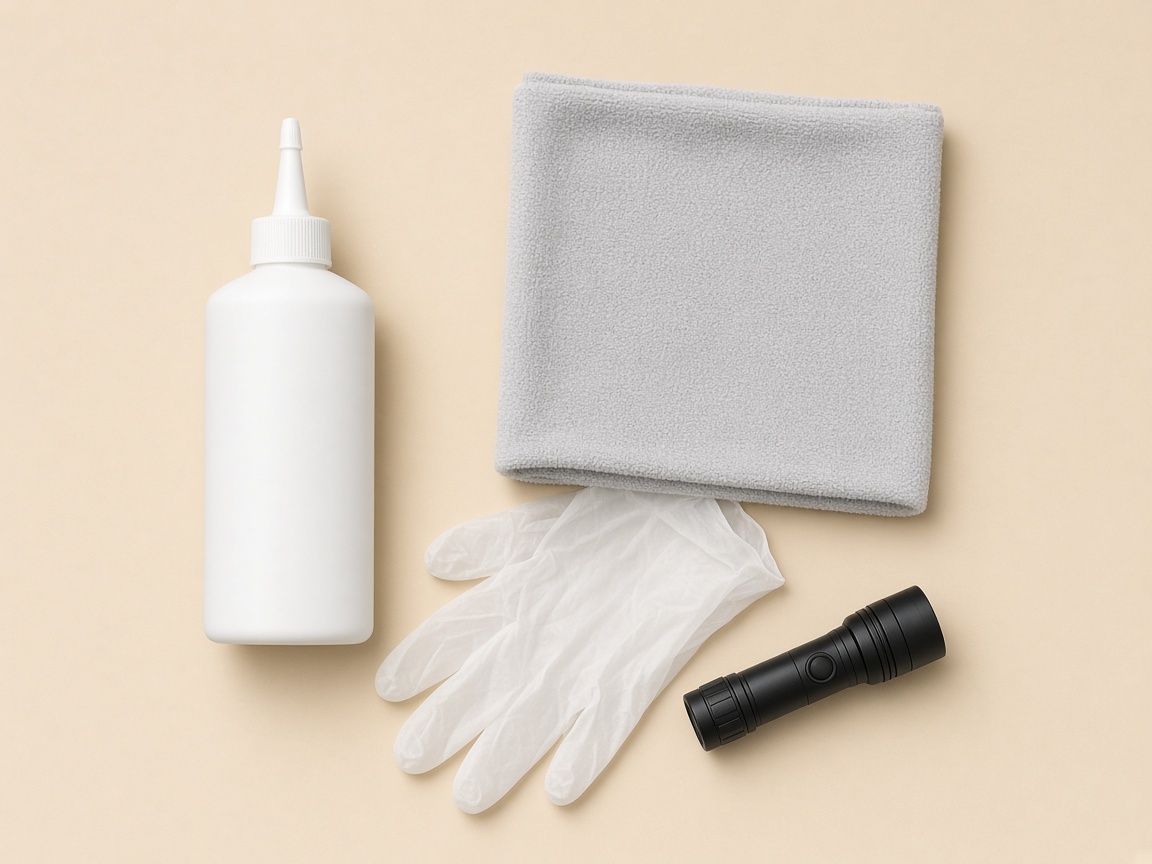
Use
100% silicone treadmill lubricant (oil or liquid silicone—made for treadmills/walking pads). A soft cloth or paper towel. Optional: gloves and a small flashlight.
Avoid
WD‑40, grease, vegetable oil, or household lubricants. They can damage the belt/deck or attract dust and gum things up.
How often should you lubricate a walking pad?
A good starting point is:
Months
A typical calendar interval if you use the pad a few times a week.
Hours of use
The same job, counted by time on the belt instead of the calendar.
Lubricate more often if you use it daily, if it’s kept in a dusty area, or if you notice increased noise or belt drag.
Step-by-step: Lubricating a walking pad
Power off
Turn it off and unplug it. Remove the safety key if it has one.
Clean
Wipe the belt edges and where the belt meets the deck.
Lift the belt
Lift one edge just enough to reach the deck under the belt.
Apply silicone
Half left, half right. Aim for the middle of the deck. About 5–10 mL total.
Spread it
Run at about 1–2 mph for 3–5 minutes, empty or walking lightly.
Wipe excess
Wipe anything that squeezes out along the belt edges.
1) Power off and unplug
Turn the walking pad off and unplug it from the outlet. If your model has a safety key, remove it too.
2) Clean around and under the belt edges
Wipe dust and debris from:
- The side rails/edges of the belt
- The area where the belt meets the deck
Dirt under the belt can mix with lubricant and create extra wear, so cleaning first helps.
3) Lift the belt slightly
Stand at the side of the walking pad and gently lift one edge of the belt—just enough to get the lubricant nozzle underneath. You’re aiming for the deck surface under the belt, not the top of the belt.
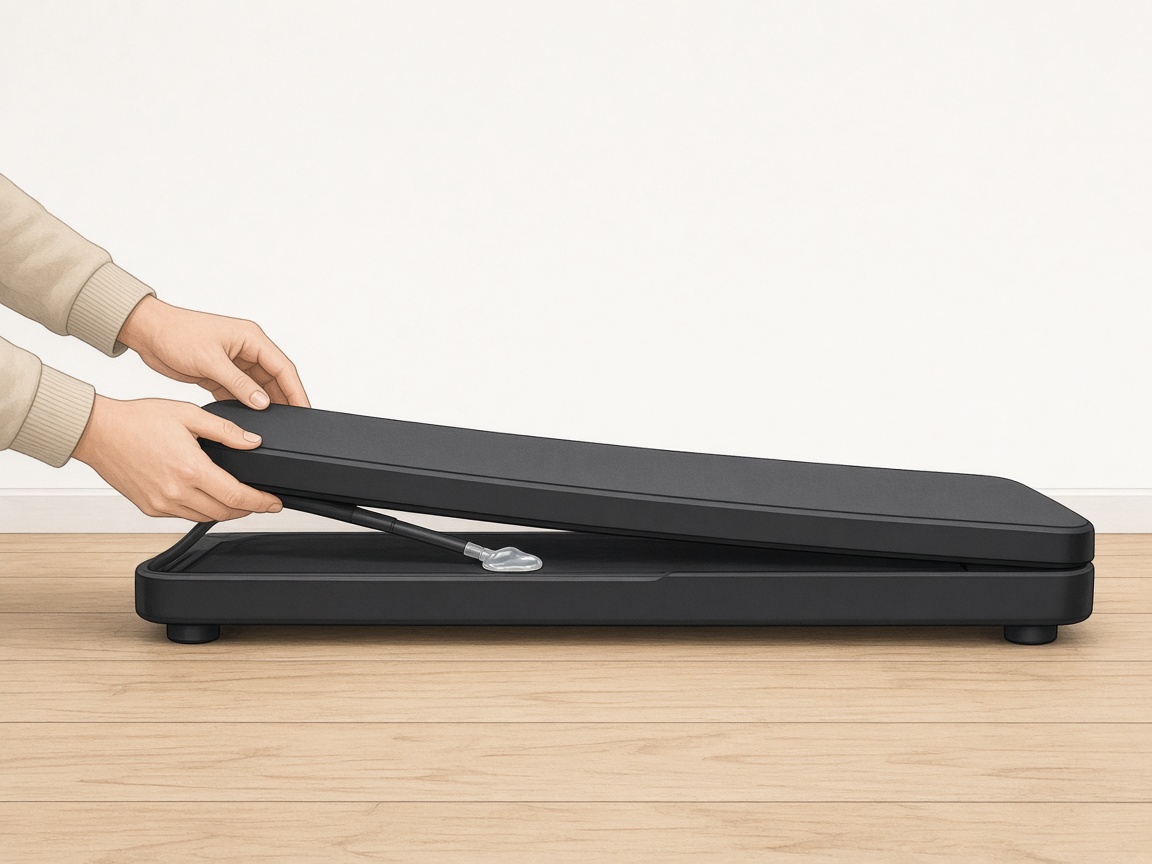
4) Apply silicone lubricant (use a small amount)
Apply a small amount of silicone under the belt:
- Put about half on the left side and half on the right side
- Focus on the middle portion of the deck (where your feet land most)
If your lubricant bottle specifies an amount, follow that. If it doesn’t, a typical range is 5–10 mL total (more is not better).
5) Distribute the lubricant evenly
Plug the walking pad back in and run it at a low speed (about 1–2 mph / 2–3 km/h) for 3–5 minutes.
You can:
- Let it run empty, or
- Walk lightly to help spread the lubricant
This step matters—it’s what distributes a thin, even layer across the deck.
6) Wipe off any excess
If you see lubricant squeezing out along the belt edges, wipe it off. Excess lubricant can:
- Attract dust
- Make the belt feel slippery
- Drip onto your floor
Quick check: signs your walking pad needs lubrication
- The belt sounds louder than usual
- You feel drag or the belt seems less smooth
- The deck area feels dry
- You notice a hot/burning smell (stop immediately and inspect)
Common mistakes to avoid
- Over-lubricating: can cause belt slipping and mess.
- Lubricating the motor area: keep lubricant under the belt only.
- Skipping cleaning: dust + lubricant can create a gritty paste.
- Ignoring belt alignment/tension problems: lubrication won’t fix a belt that’s too loose, too tight, or off-center.
FAQ
Do all walking pads need lubrication?
Most do, unless your model specifically says it’s “maintenance-free” or uses a self-lubricating deck. When in doubt, check your manual.
Can I lubricate without loosening the belt?
Usually yes. Many walking pads are designed so you can lift the belt edge slightly and apply lubricant without adjusting tension.
What if the belt slips after lubricating?
Wipe any excess first. If it still slips, your belt may be too loose—tighten both rear adjustment bolts evenly (small turns), following your manual.