Guides · Blog
What Is a Walking Pad? A Complete Beginner’s Guide
If you’ve spent any time searching for easy ways to move more at home or while working, you’ve likely come across the phrase What is a walking pad. Walking pads have become popular because they make it simple to add steps to your day without needing a full gym setup or a dedicated workout room. They’re especially common in home offices, small apartments, and for anyone who wants low-impact movement in short sessions throughout the day.
So, what is a walking pad exactly? In simple terms, a walking pad is a compact, lightweight treadmill designed primarily for walking rather than running. Most models are smaller than a traditional treadmill, often lower to the ground, and built for convenience—things like easy storage, simple controls, and quick start/stop use. Many are designed to slide under a standing desk, letting you walk while you work, read, or attend meetings.
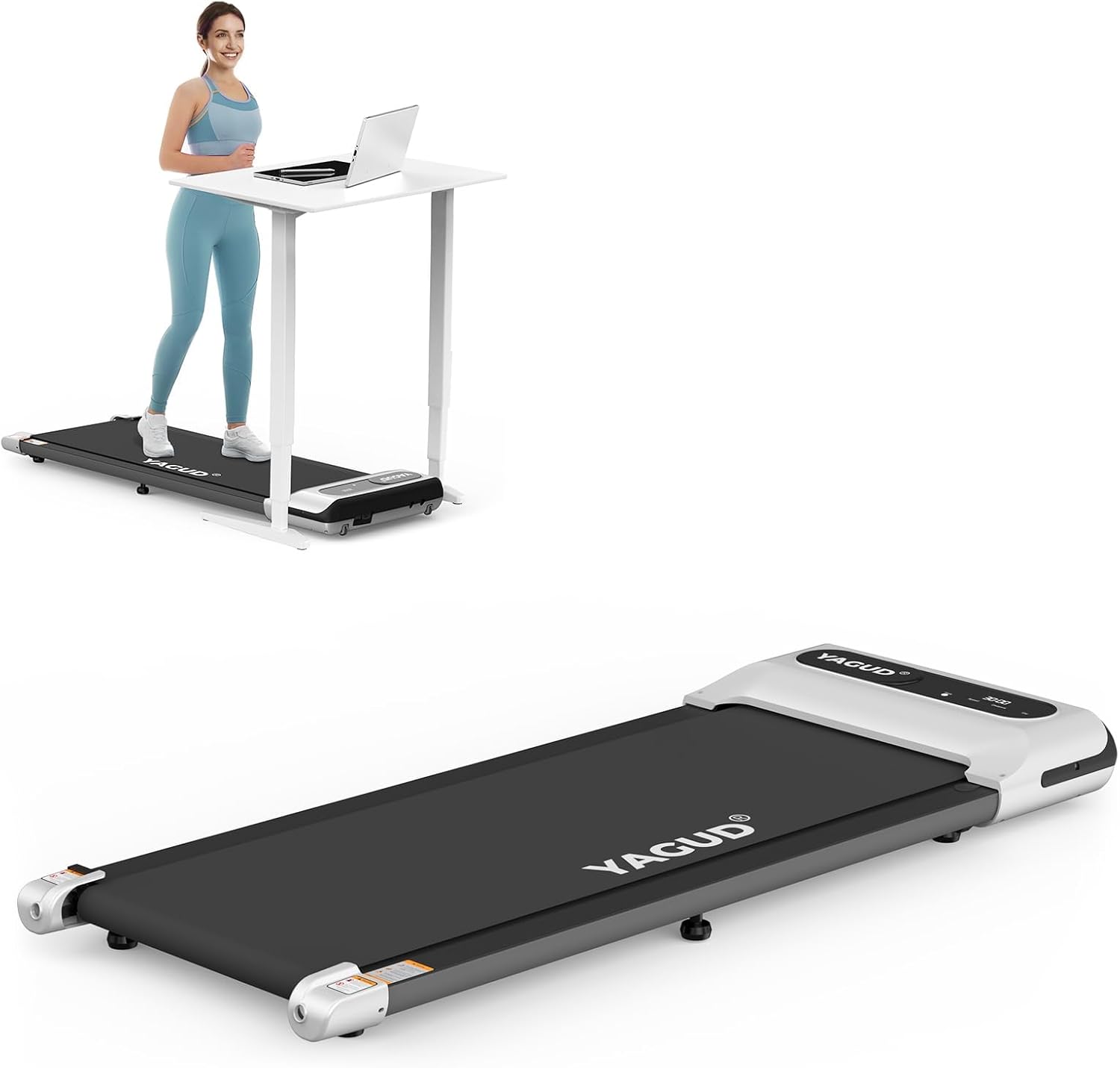
What a walking pad is designed to do
Walking pads are built around a realistic goal: helping you walk more consistently. For most people, the biggest barrier to daily movement isn’t motivation—it’s convenience. A walking pad removes common friction points. You don’t have to drive to a gym, wait for good weather, or block out an hour for a workout. Instead, you can take a 10–30 minute walk indoors, or walk in short bursts during the day.
Because they’re walking-focused, many walking pads top out at speeds that suit walking and brisk walking, though some models do allow light jogging. Still, the primary use-case is walking at a desk or during casual home activity.
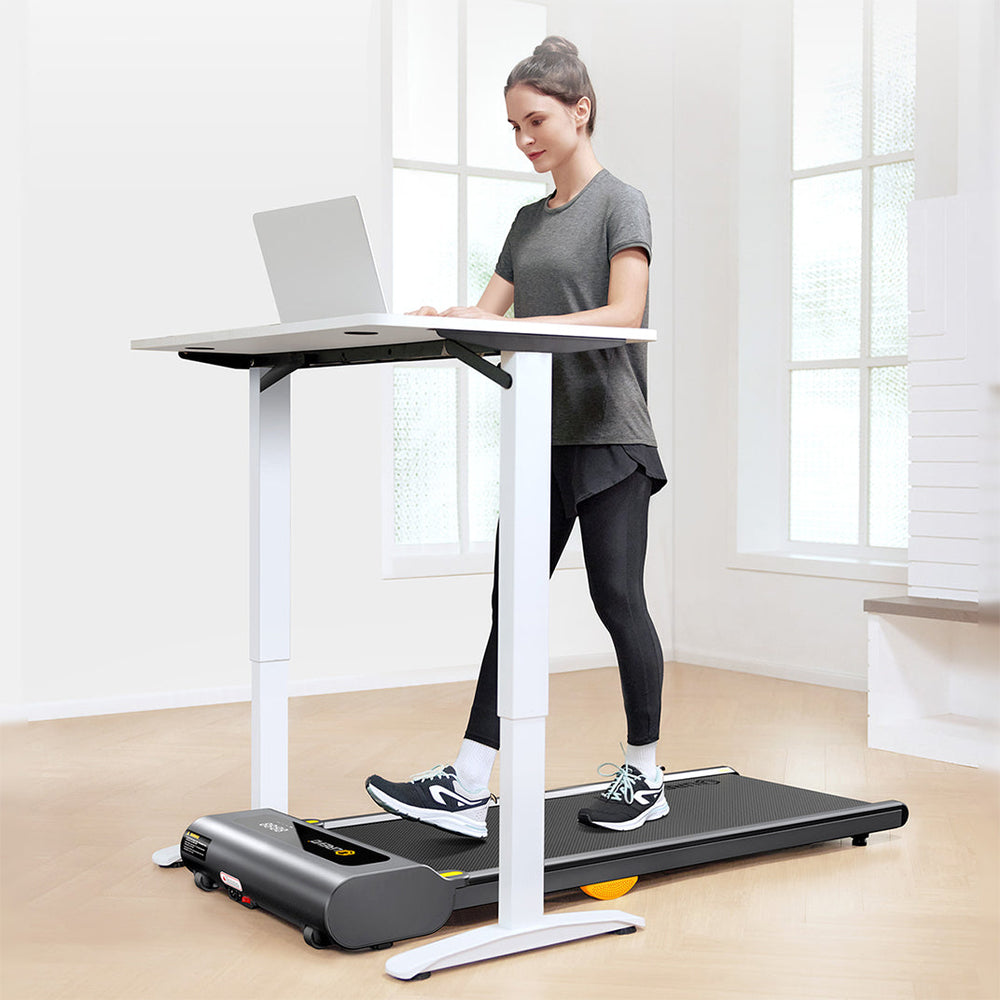
Key features you’ll commonly see on walking pads
While designs vary, these are typical characteristics you’ll see across many walking pad models:
- Compact frame and shorter deck: The belt (walking surface) is usually shorter than a full treadmill, which is a major reason it can be so space-saving.
- Lower profile: Many walking pads sit closer to the floor and are easier to step on and off.
- Portability features: Some include wheels, carry handles, or slimmer frames for storing under a couch or bed.
- Simplified controls: Many use a remote control or a basic display that shows speed, time, distance, and sometimes steps or calories.
- Walking-first performance: They’re meant for steady walking, light daily cardio, and general movement—not heavy running workouts.
The trade-off for that convenience is that walking pads usually don’t feel as robust as traditional treadmills, especially at higher speeds. They’re engineered for a different job.
Why people buy walking pads
People choose walking pads for several practical reasons:
- Working from home: If you sit for long stretches, a walking pad can help you add thousands of steps without setting aside separate workout time.
- Small spaces: Walking pads are popular in apartments or bedrooms where a full treadmill would dominate the room.
- Low-impact movement: Walking is easier on many joints than running, and it’s often a sustainable routine for beginners.
- Weather-proof walking: No heat, rain, ice, or darkness required.
- Consistency and habit-building: Walking pads are less intimidating than large exercise machines and easier to use for short sessions.
Who a walking pad is best for (and who it isn’t)
A walking pad is best for:
- Beginners building a routine
- People focused on daily steps or gentle cardio
- Anyone wanting an under-desk walking solution
- Users with limited room for equipment
A walking pad may not be ideal for:
- Frequent runners who need a long deck and higher speed stability
- People who want steep inclines or advanced built-in workout programs
- Households where multiple users will use it hard every day (depending on model quality)
If your primary goal is running training, you’ll usually be happier with a full treadmill. If your goal is daily movement and convenience, walking pads can be a perfect fit.
What Is a Walking Pad vs Treadmill? Key Differences You Should Know
A common follow-up question is what is a walking pad vs treadmill—because they look similar at first glance: both have a motorized belt you walk on. The difference comes down to size, intended use, and long-term performance expectations.
In the most practical sense, what is a walking pad vs treadmill can be explained like this: a walking pad is the compact, walking-focused option built for convenience and storage, while a treadmill is the larger, more full-featured machine built to handle a wider range of training—especially running. Treadmills usually have a longer and wider belt (more room for your stride), higher top speeds, stronger frames, and more advanced consoles. Many also offer higher incline ranges and pre-set workouts for structured training.
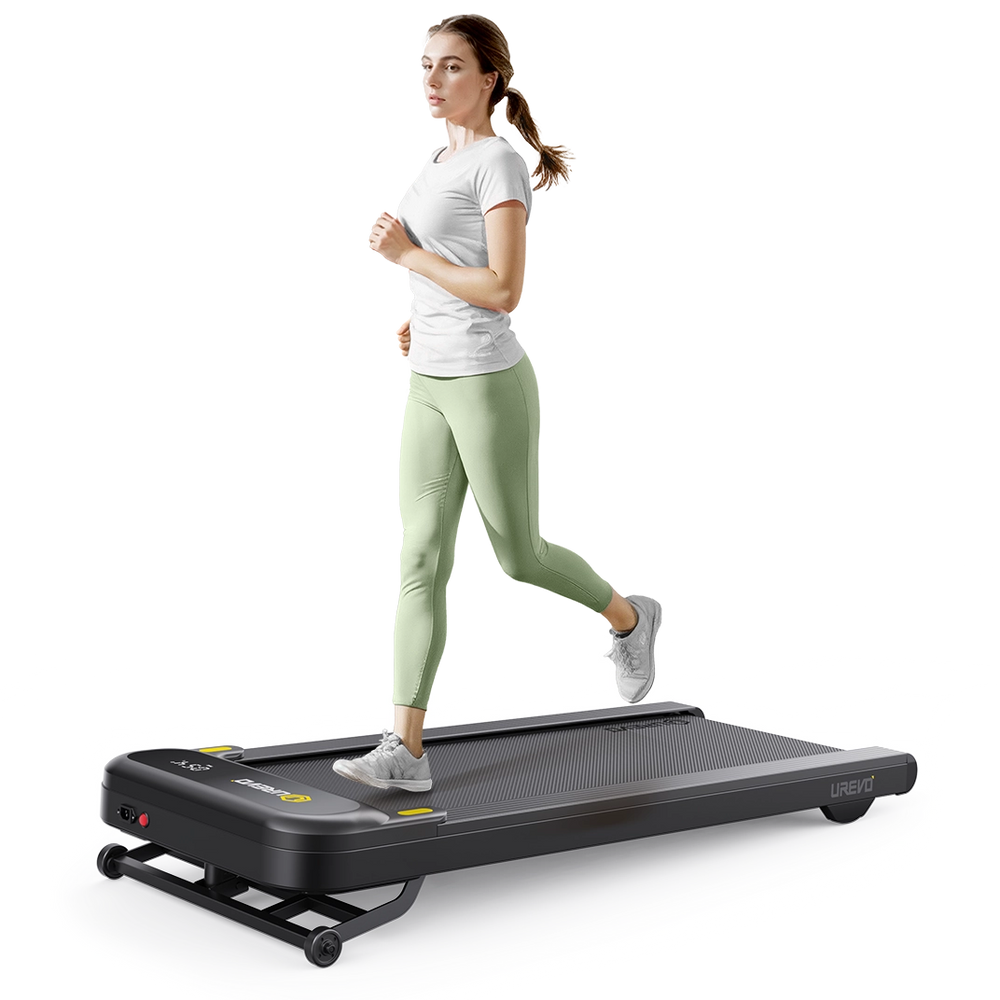
Another big difference in the what is a walking pad vs treadmill comparison is how and where people use them. Walking pads are commonly used in home offices and are often placed under standing desks; traditional treadmills are usually placed in a dedicated workout area and used for longer workout sessions. Walking pads emphasize portability and everyday use, while treadmills emphasize performance, stability, and versatility for walking, jogging, and running.
How to choose between a walking pad and a treadmill
If you’re deciding what to buy, start with your primary goal:
- Choose a walking pad if you want to walk more during the day, save space, store the unit easily, and keep things simple.
- Choose a treadmill if you plan to run, want a longer deck for comfort, want higher incline/speed capability, and prefer a sturdier build for frequent intense workouts.
Also consider your body size and stride length. Taller users often appreciate the longer deck of a treadmill. Meanwhile, for many average-height users who plan to walk at moderate speeds, a walking pad can feel perfectly comfortable.
Final thoughts
To summarize, what is a walking pad? It’s a compact, user-friendly treadmill alternative designed mainly for walking—often under a desk or in small living spaces—to help you build a consistent movement habit. Walking pads are less about intense training and more about making walking easy, accessible, and repeatable.
If your goal is to move more without rearranging your home or your schedule, a walking pad is one of the simplest ways to turn “I should walk more” into something you actually do.
Walking pads reviewed here
These are the machines on this site. The photo is the machine on that review. The buttons on each review go to Amazon with our affiliate tag. The WalkingPad A1 Pro and the WalkingPad C2 are the other two reviews. Those pages do not have a product photo yet, so they are not shown here.