Guides · Blog
Is a Walking Pad the Same as a Treadmill?
If you’ve been shopping for home fitness equipment lately, you’ve probably seen “walking pads” everywhere—especially the slim, under-desk kind that slides under a couch. They look like treadmills, they work like treadmills, and they make you wonder: is a walking pad the same as a treadmill?
Not exactly. A walking pad is basically a treadmill’s simpler, smaller cousin. It does the same core job (moving a belt so you can walk), but it’s built for a different type of use. Here’s what that means in real life, and how to decide which one makes more sense for you.
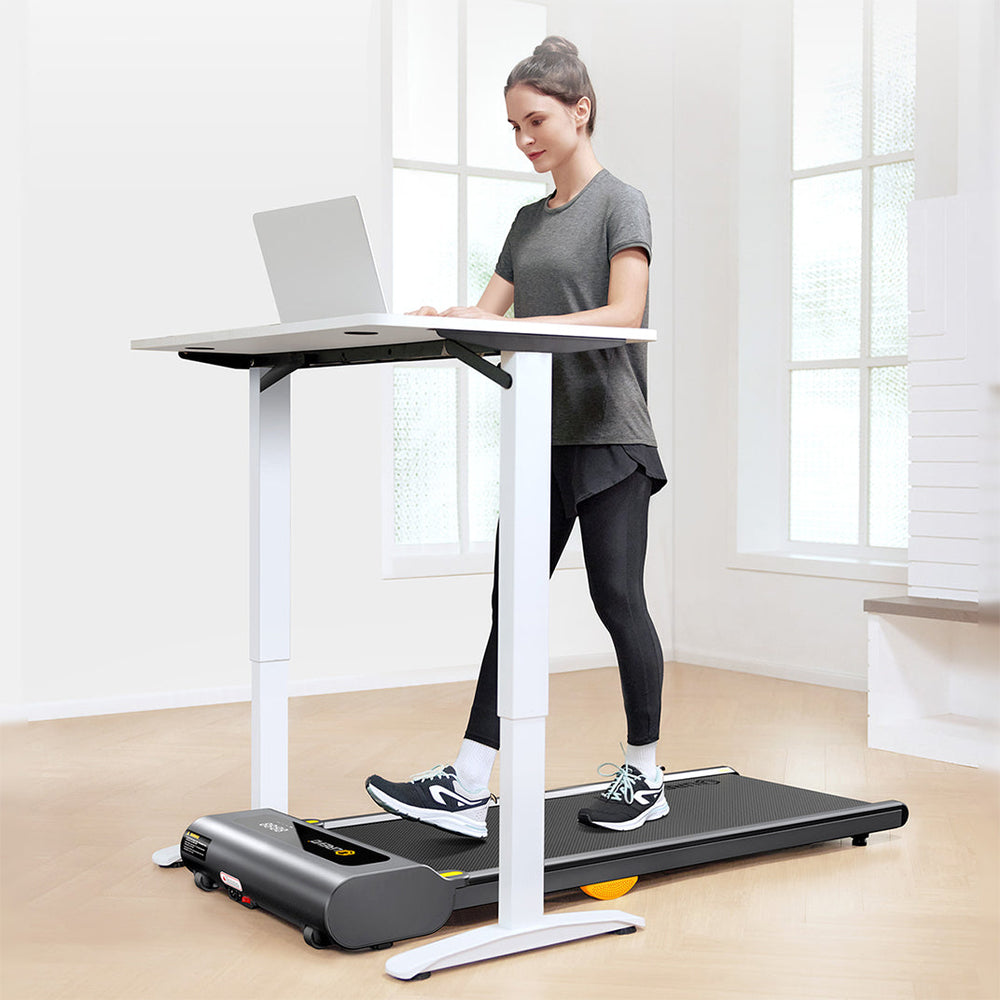
So, is a walking pad the same as a treadmill?
A walking pad is a type of treadmill—but not all treadmills are walking pads.
Think of it like this:
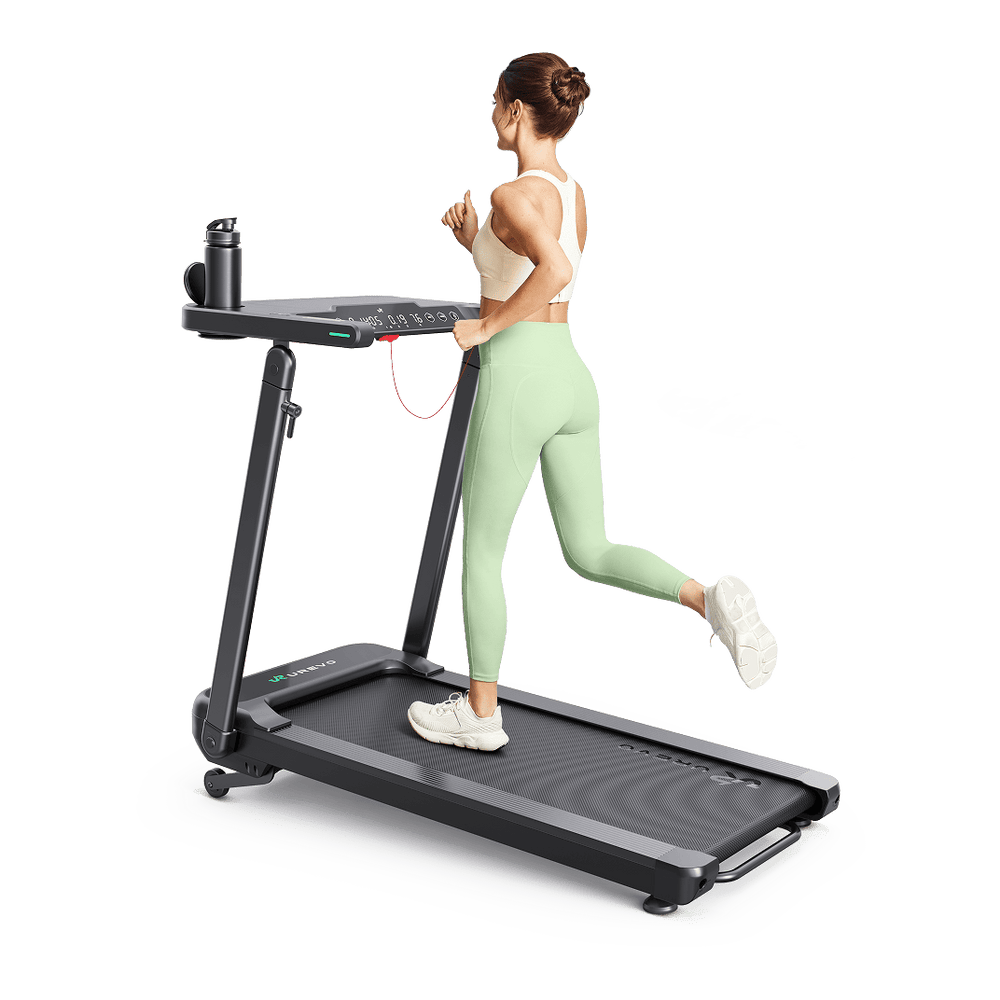
- Treadmill is the umbrella category (walk, jog, run; often includes incline, higher speed, bigger motors, handrails, consoles, etc.).
- Walking pad is a subset designed mainly for walking, usually compact, often lower profile, and commonly marketed for under-desk use.
They overlap, but they’re not interchangeable for every goal.
Walking pad
A subset of treadmill. Built mainly for walking, a compact deck, and storage. Often used under a standing desk.
Treadmill
The wider category. Built to walk, jog, and often run, with more speed, stability, and features.
What a walking pad is (and what it’s built to do)
A walking pad is designed for:
- Walking while working (under a standing desk)
- Light daily movement to increase steps
- Small apartments and easy storage
- Lower speeds and simpler controls
Most walking pads keep things minimal: no big console, fewer bells and whistles, and sometimes no front handrail (or a small removable one).
If your goal is “I want to walk more during the day without turning my home into a gym,” a walking pad is often perfect.
What a treadmill is (in the traditional sense)
A standard treadmill is designed for a wider range of workouts, like:
- Jogging and running
- Intervals
- Longer sessions at higher speeds
- Incline training (on many models)
- Heavier use and higher user weight limits (often)
Traditional treadmills tend to be larger, heavier, and more stable. They usually have a console and handrails, and they’re meant to feel solid at speed.
If your goal is “I want cardio workouts and I might run,” a treadmill is usually the better fit.
The key differences (quick comparison)
| Difference | Walking pad | Treadmill |
|---|---|---|
| Speed and training | Usually walking/jogging speeds. Many are built mainly for walking. | Typically goes much faster and stays stable at those higher speeds. |
| Size and storage | Slim, easy to slide under a bed/sofa, often lighter. | Bigger footprint, heavier, usually stays in one place. |
| Stability and deck | Compact deck. Fine for walking. Can feel short for a long stride or running. | Longer/wider surface, more stable at pace. |
| Incline and features | Usually no incline. Some have a small fixed incline. Many don’t. | Many include powered incline, programs, heart-rate features. |
| Noise | Often relatively quiet at walking speed, for indoor work. | Can be louder at running speed. Bigger motor, more hum. |
| Price | Often cheaper than a full treadmill. High-end models can still cost a lot. | Broader range. Running-capable models tend to cost more. |
1) Speed and training style
- Walking pad: usually tops out around walking/jogging speeds (many are built mainly for walking).
- Treadmill: typically goes much faster and stays stable at those higher speeds.
If you plan to run regularly, a walking pad might feel limiting fast.
2) Size, storage, and portability
- Walking pad: slim, easy to slide under a bed/sofa, often lighter.
- Treadmill: bigger footprint, heavier, usually stays in one place.
This is the biggest reason people choose a walking pad.
3) Stability and deck length
- Walking pad: compact deck; fine for walking, but can feel short if you have a long stride or want to run.
- Treadmill: longer/wider running surface, more stable at pace.
For taller users or runners, the extra deck space on a treadmill is noticeable.
4) Incline and features
- Walking pad: usually no incline (some have a small fixed incline, but many don’t).
- Treadmill: many include powered incline/decline, workout programs, heart-rate features, etc.
If incline walking is your main workout style, look closely—many walking pads won’t offer it. Models that do are on the incline walking pad page.
5) Noise and office friendliness
- Walking pad: often made with the assumption you’ll use it indoors while working, so many are relatively quiet at walking speed.
- Treadmill: can be louder, especially at running speed, and the bigger motor can create more noticeable hum.
That said, any belt machine makes some noise; your flooring and mat matter a lot. Quiet-first picks are on quiet walking pads.
6) Price
- Walking pad: often cheaper than a full treadmill (but high-end models can still cost a lot).
- Treadmill: broader range, but running-capable treadmills tend to cost more.
If you’re paying treadmill money for a walking pad, make sure it has the durability and warranty to match.
Which should you buy?
Choose a walking pad if
You want to walk while working or boost daily steps. You need something compact and easy to store. You mostly do light to moderate walking. You prefer simple controls and minimal setup.
Choose a treadmill if
You want to run or do intervals. You care about incline training. You want a longer deck and more stability. You’ll use it for structured workouts several times per week.
Common buyer mistake: expecting a walking pad to replace a gym treadmill
A walking pad can absolutely become your main cardio tool—if your cardio is walking. But if you’re buying it with “I’ll run on it sometimes” in the back of your mind, pay close attention to:
- max speed
- motor rating (and whether it’s built for sustained use)
- deck length/width
- user weight limit
- warranty terms
A lot of disappointment comes from buying a walking pad for a running goal.
Bottom line
Is a walking pad the same as a treadmill? Not quite. A walking pad is essentially a simplified treadmill designed for walking, space-saving, and often under-desk use. A traditional treadmill is built to handle a wider range of workouts—especially running, incline work, and longer or harder sessions.
A longer beginner take is what is a walking pad. Under-desk models are on under-desk treadmills.