Guides · Blog
Is a Walking Pad Worth It? (Honest Pros, Cons, and Who Should Buy One)
Is a walking pad worth it? For many people, yes—but not for everyone. A walking pad can be one of the most practical pieces of home fitness equipment because it’s designed around a simple outcome: helping you walk more consistently. If you’ve ever said “I’ll go for a walk later” and then didn’t, convenience is often the missing piece. Walking pads solve that by making movement available anytime, in almost any space.
That said, they’re not a perfect substitute for a full treadmill, they’re not ideal for every fitness goal, and the “worth it” question depends heavily on how you plan to use one. This article breaks it down so you can decide based on your lifestyle, your expectations, and your budget.
What a walking pad actually does well
The biggest value of a walking pad isn’t flashy features—it’s friction-free movement. If it’s easy to start, easy to store, and easy to use while doing other things, you’re more likely to stick with it.
Here’s where walking pads shine:
1) They make daily steps dramatically easier
If you struggle to hit step goals because of weather, time, or motivation, a walking pad removes most barriers. You can walk:
- before work for 10 minutes
- during meetings
- while watching TV
- after dinner instead of sitting down immediately
Those small sessions add up quickly.
2) They’re ideal for small spaces
One of the main reasons people ask “is a walking pad worth it” is because they want movement without dedicating a whole room to a treadmill. Walking pads are typically:
- smaller footprint
- easier to move
- easier to store under a bed/sofa (model dependent)
For apartments or shared spaces, that matters.
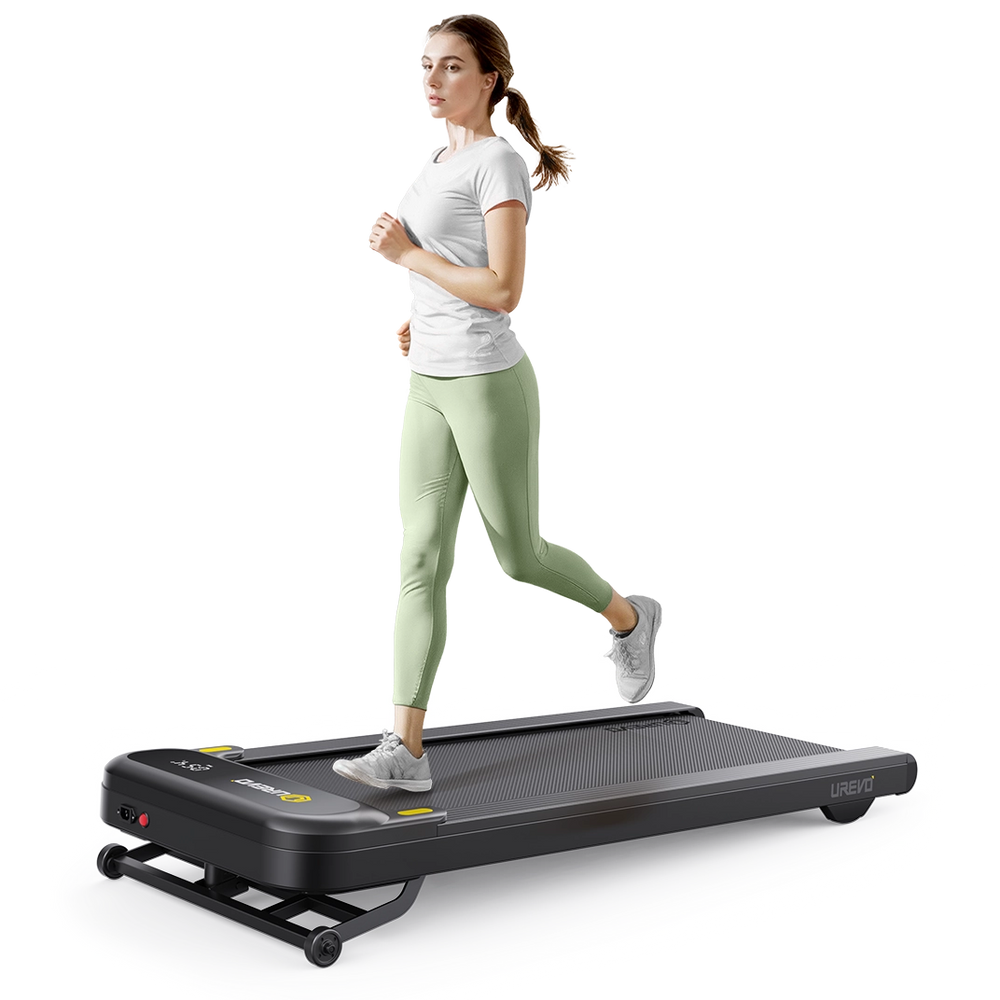
3) Low-impact cardio is sustainable
Walking is joint-friendly for many people. If running feels rough on your knees/hips—or if you’re building fitness from scratch—walking is often easier to maintain long term. A walking pad gives you a consistent place to do it.
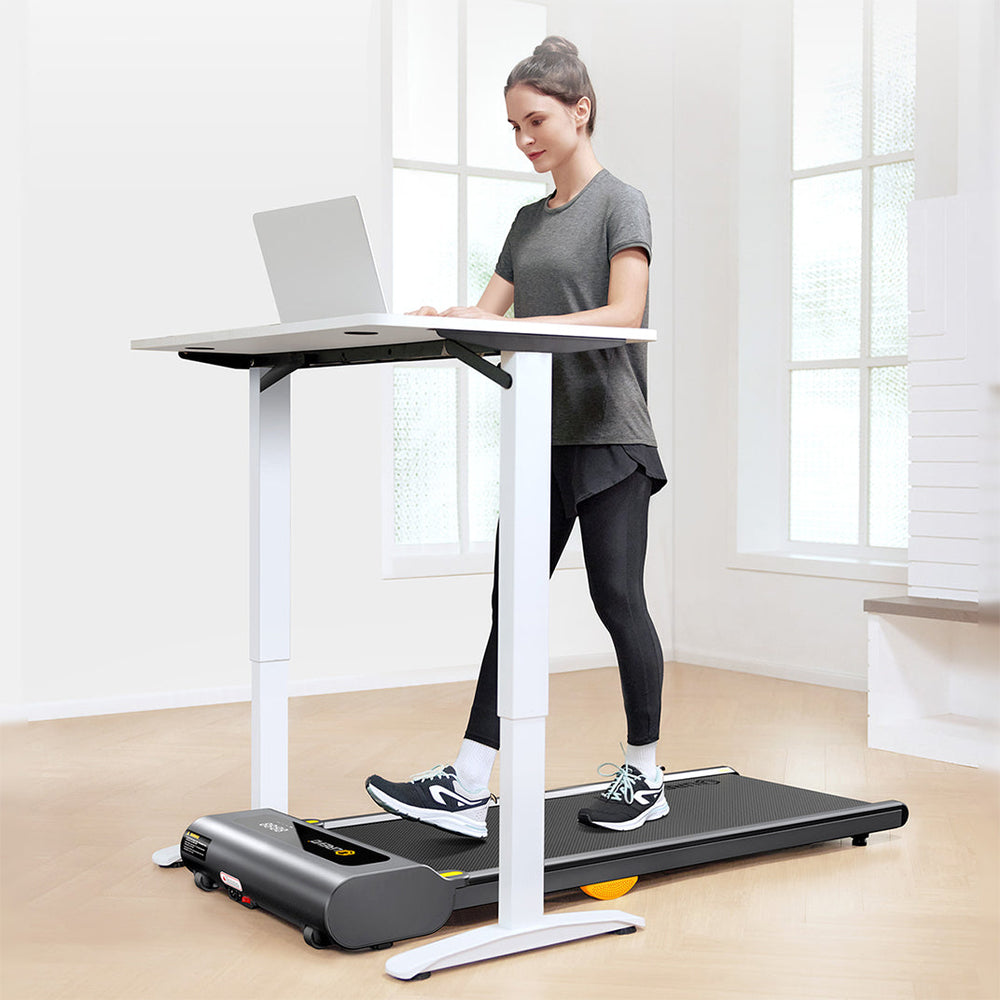
4) They work well with standing desks (for the right user)
If you’re home-office based, walking while working can increase daily movement without stealing time from your schedule. Even a slow pace can make a difference over weeks and months.
Reasons a walking pad might NOT be worth it
Walking pads are great at what they’re designed for, but there are common situations where they disappoint buyers.
1) You actually want to run regularly
Many walking pads are walking-first machines. Even models that allow jogging can feel limited due to:
- shorter deck length (less stride room)
- lighter frame (less stable at speed)
- less comfort for longer runs
If your fitness plan is primarily running workouts, a treadmill is often the better use of money.
2) You won’t use it without a built-in routine
The most expensive equipment is the one that sits unused. A walking pad is worth it when it becomes part of your daily pattern. If you don’t have a realistic plan (for example, walking during calls or watching a show), it’s easy for it to turn into clutter.
3) You need incline training or heavy-duty build
Some walking pads include incline, but many do not, and even incline models often have limited range compared to full treadmills. If your goals include steep incline sessions, long-duration workouts, or heavy multi-user household use, you may outgrow a walking pad quickly.
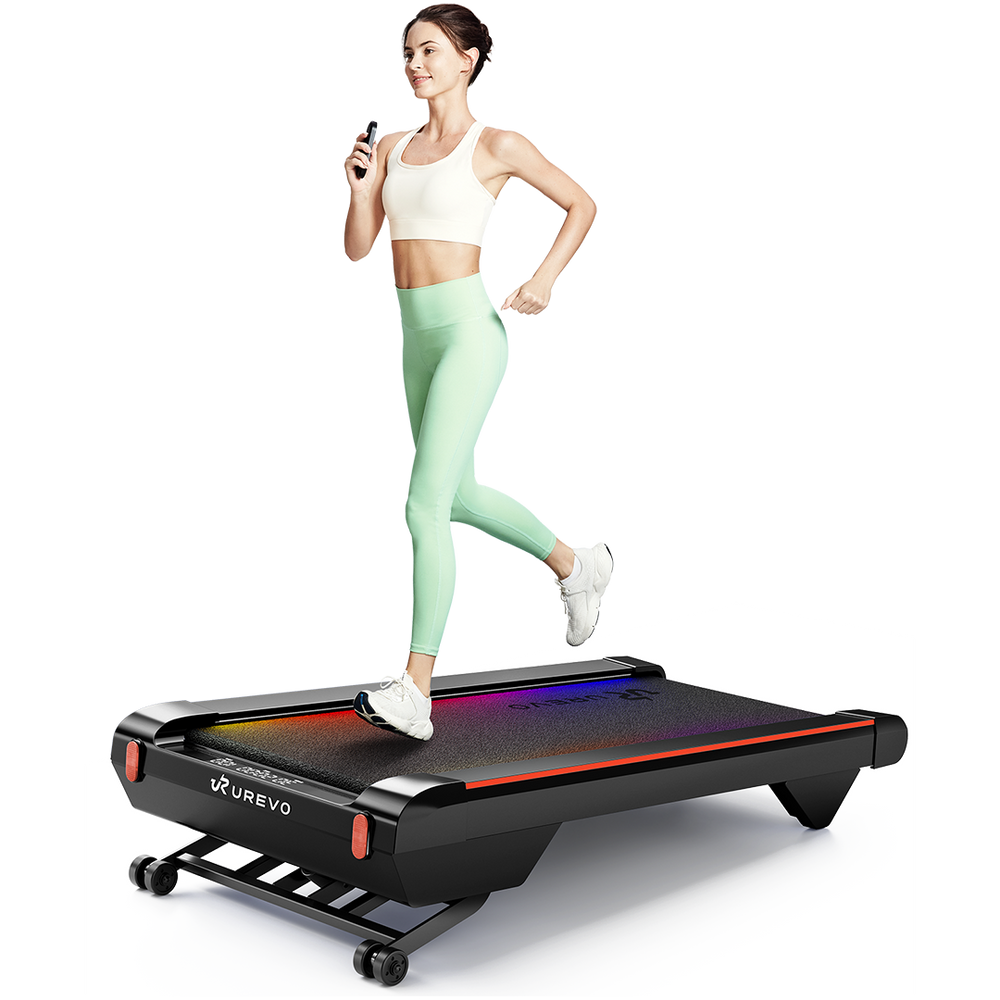
4) Noise and floors can be an issue
Walking pads are often quieter than treadmills, but “quiet” depends on:
- your speed
- your walking style (soft steps vs heavy footstrike)
- the surface underneath
- whether you use a mat
If you live above neighbors or in a space with echo-prone floors, noise can affect whether you enjoy using it.
Is a walking pad worth it for weight loss?
It can be, because weight loss outcomes often rely on consistency and daily activity. Walking pads support that. They make it easier to increase your daily calorie burn without needing intense workouts—the key is doing it often.
What works well:
- 20–45 minutes per day at an easy-to-moderate pace
- multiple short sessions (10 minutes, 3 times per day)
- pairing with a nutrition plan you can sustain
A walking pad won’t “cause” weight loss on its own, but it can be an excellent tool for building a routine that supports it.
Is a walking pad worth it for working from home?
For many remote workers, this is where the walking pad is most worth it. If you spend long hours sitting, even slow walking during:
- meetings where you’re listening
- email sessions
- training videos
can add thousands of steps with minimal disruption.
However, it’s not ideal for:
- tasks requiring fine precision (some people find walking affects typing accuracy)
- highly focused creative work (you may prefer sitting for deep focus)
- constant speaking calls (breathing can sound different at faster paces)
The best approach is mixing walking and standing, and using walking during “low-cognitive-load” work blocks.
Cost vs value: how to know if it’s worth the money
Ask yourself these questions:
- Where will I use it?
If you have a clear spot and a storage plan, you’re more likely to stick with it. - When will I use it?
The best answer is a repeatable time cue: “During my morning meetings” or “Every night after dinner.” - Am I buying it for walking or running?
If it’s mostly walking, you’re aligned with what walking pads do best. - Will I maintain it?
Basic belt lubrication and occasional alignment checks are part of ownership. If you ignore maintenance, performance and lifespan suffer. - Will I choose it over the alternatives?
If you already enjoy outdoor walking and do it consistently, a walking pad may not add much. If weather, safety, or time blocks you, it can be a game changer.
Final verdict: Is a walking pad worth it?
Is a walking pad worth it? Yes—if your goal is to walk more consistently, you value convenience and space-saving design, and you have a realistic plan to use it several times per week (ideally most days). It’s especially worth it for people who work from home, live in smaller spaces, or want low-impact cardio without a complicated setup.
It may not be worth it if you’re primarily a runner, need heavy-duty performance, or won’t build it into your routine. In the right home and for the right goals, a walking pad can be one of the highest “use-per-dollar” fitness purchases you can make.
Walking pads reviewed here
The buttons on each review go to Amazon with our affiliate tag. The WalkingPad C2 and the WalkingPad A1 Pro have no product photo on this site, so they are not shown. Related guides: what is a walking pad and can you run on a Walking Pad.